Choose the exact Bedrock source
Use the official project or file page that matches Verity BE or Verity Bedrock Edition; do not merge similarly named packages.
Multiplayer compatibility guide
Yes, Verity Mod can work in multiplayer when every player uses the correct edition path and the host, server, version, and content packs agree. Bedrock multiplayer is organized around the world owner and active behavior/resource packs; Java multiplayer is organized around a matching server loader and matching client profiles. The answer to “does the Verity Mod work in multiplayer?” is therefore a compatibility check, not a single download button.
This guide was checked on 2026-09-21. It separates Verity Bedrock sources from Verity JE, records the current source-page version context, and explains what to test before inviting a full group.
External source pages open directly. Check the file type, edition, and version before downloading.
Start with the decision
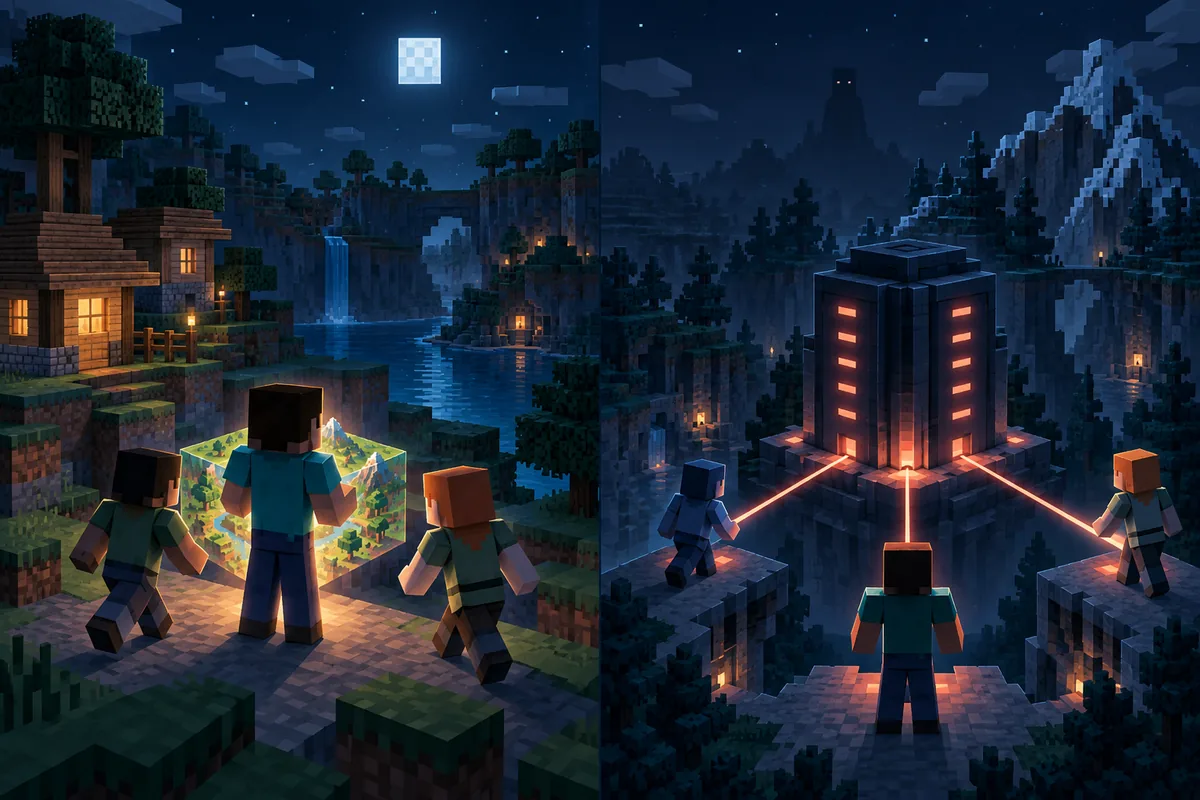
The primary keyword Verity Mod Multiplayer describes a setup question with two different technical answers. On Bedrock, the player who owns or hosts the world must activate the correct behavior and resource packs, and the other players must join with a compatible Minecraft version and device path. On Java, the server must load the Verity JE project with the required loader and dependencies, while every client needs the same compatible profile. A file that works in singleplayer is not automatically a multiplayer-ready file.
If your group has not chosen an edition, decide that first. Java .jar files are not Bedrock .mcaddon files, and Bedrock packs cannot be copied into a Forge server. The safest flow is to choose one official project page, record the Minecraft version and file name, create a clean test world or server, and invite one other player. Only after join, spawn, behavior, reconnect, and restart checks pass should you copy the setup to a long-running world.
The page you need depends on the failure. If the addon imports but the creature or event never appears, inspect active packs, experiments, world settings, and edition compatibility. If a Java player cannot join, compare the loader, mod ID, dependency list, and server/client versions. For the broader symptom Verity multiplayer does not respond to anything, use the isolation tree below and then the site's Verity Mod Not Working guide for the general log workflow.
Compatibility matrix
The easiest way to avoid a bad Verity multiplayer setup is to assign responsibility before downloading. Bedrock puts more of the configuration inside the world: the host chooses the pack combination and world toggles, then the joining players connect to that world. Java puts more responsibility on the server profile: the server loader, server-side files, client-side files, dependencies, and configuration must be kept together. That distinction is why a generic “multiplayer Verity download” search is not precise enough by itself.
Use the table as a first-pass decision, not as proof that a particular release supports every device or server type. The official project or file page remains the authority for release-specific requirements. If a source page does not state whether a component is required on the server, test it in an isolated environment before moving a real world.
Bedrock workflow
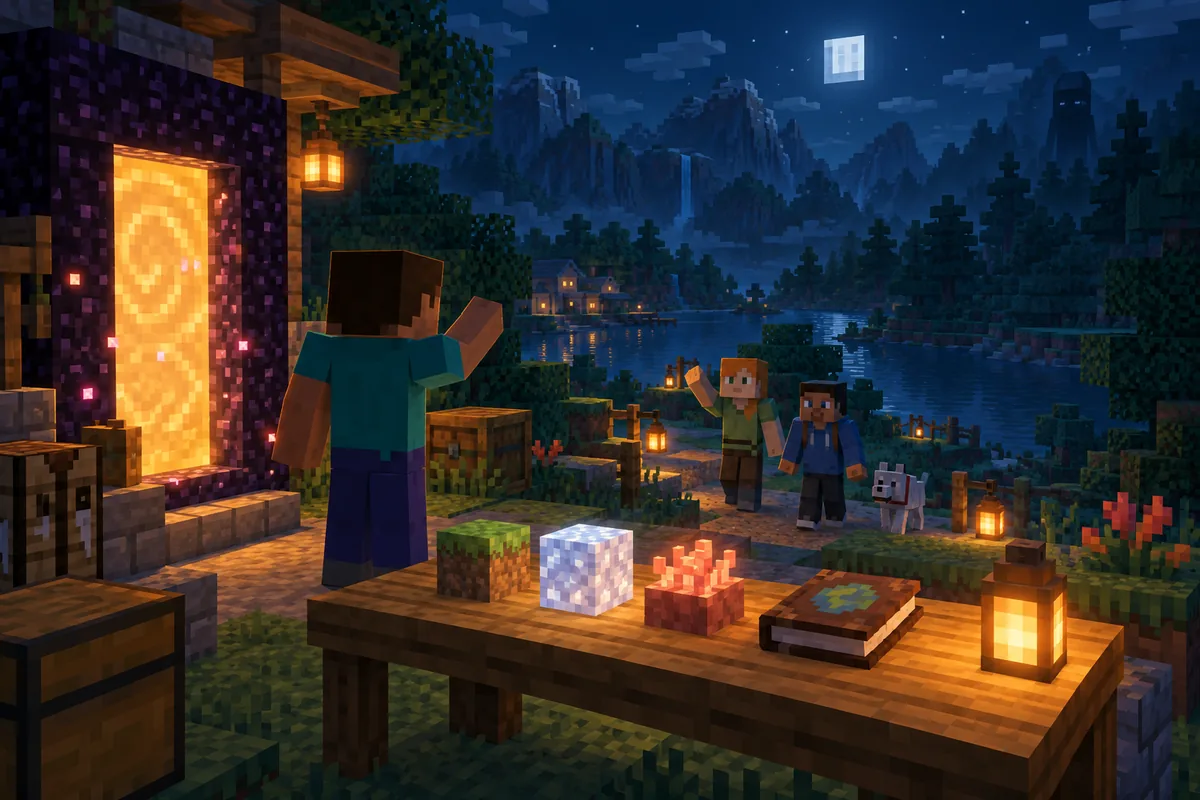
For Bedrock, start with the source identity rather than a random addon mirror. The 2026-09-21 source check found separate Verity Bedrock paths: the CurseForge Verity BE project showed v4.1.3 for Bedrock 26.40, while the CurseForge Verity Bedrock Edition page showed a ThatMob's Verity 4.0.0 v26.50.mcaddon release context. Similar names do not prove that the files are interchangeable. Open the page that matches the name your group intends to use, then record the file name, target Bedrock version, pack requirements, and update context.
A good Bedrock multiplayer test uses a copied world or a blank world. Import the package on the host device, confirm that both resource and behavior packs are active when the source calls for both, and enable only the experiments documented by the source. Join with one second player before adding extra addons. Check the event in daylight and at night, leave and rejoin, close and reopen the world, and confirm that the host can still load the world without the second player present.
The answer to is setting up Verity the same in singleplayer and multiplayer is “not completely.” The import step may look similar, but multiplayer adds host ownership, pack synchronization, permissions, device compatibility, and a second player's join state. If the host sees the behavior while the joining player sees a normal world, compare the active pack order and the joining player's Bedrock version before reinstalling.
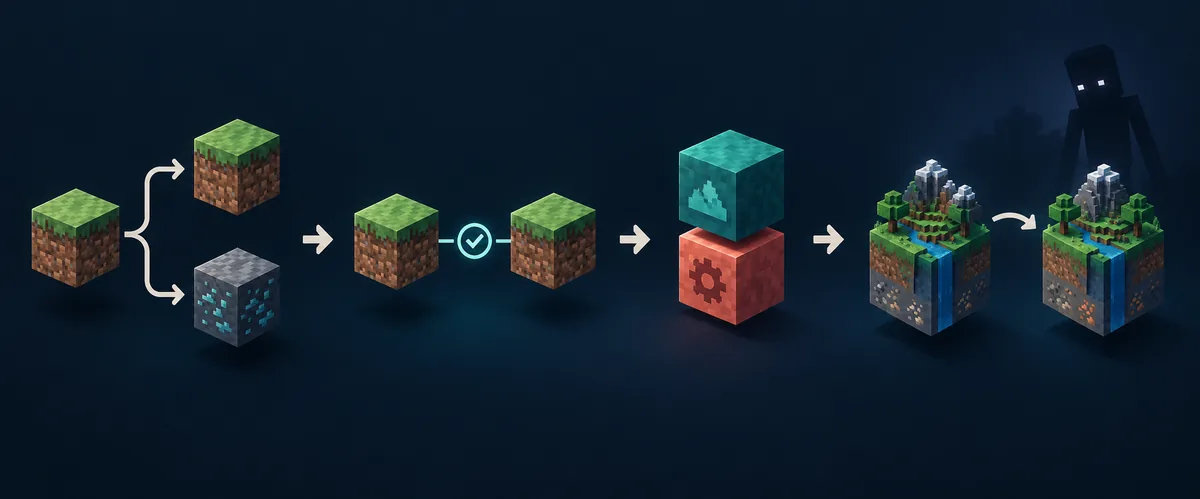
Use the official project or file page that matches Verity BE or Verity Bedrock Edition; do not merge similarly named packages.
Write down the Bedrock release, file name, source date, and whether the package contains a behavior pack, resource pack, or both.
Keep the long-running save untouched until the multiplayer test has passed and a rollback copy exists.
Enable the required resource and behavior packs in the correct order, plus only source-documented experiments.
Check spawn, behavior, reconnect, world reload, and host-only play before inviting the whole group.
Java workflow
The Java answer is conditional but practical: you can run VerityJE on a server when the reviewed file, loader, Minecraft version, dependencies, and server instructions all line up. The 2026-09-21 check found a stable-looking CurseForge file context named verity-5.7.4.jar for Forge 1.20.1, while the same files page also listed 6.0.0-beta.9. Treat the beta as a separate test choice, not as a silent replacement for a stable profile. Modrinth's project metadata also identifies Java 1.20.1 client and server compatibility, but the release page should still control the final dependency decision.
Build the server profile in a clean directory. Install the exact loader first, place only documented server-compatible files in the server's mods directory, start once to generate configuration, and compare the server log with a clean client launch. Every player should receive the same tested client profile. A client-only visual helper may not belong on the server, but a gameplay mechanic that registers entities, events, or network channels often must be available to the server. Never infer the boundary from the file name alone.
For how to play Verity Mod multiplayer on Java, the useful unit is a frozen profile rather than an individual jar. Share the loader version, Minecraft version, Verity file name, dependency list, configuration changes, and a short rollback note. If one player updates only Verity while the server keeps the old file, the group can see a missing mod ID or handshake error even though both installations appear to contain “Verity.”
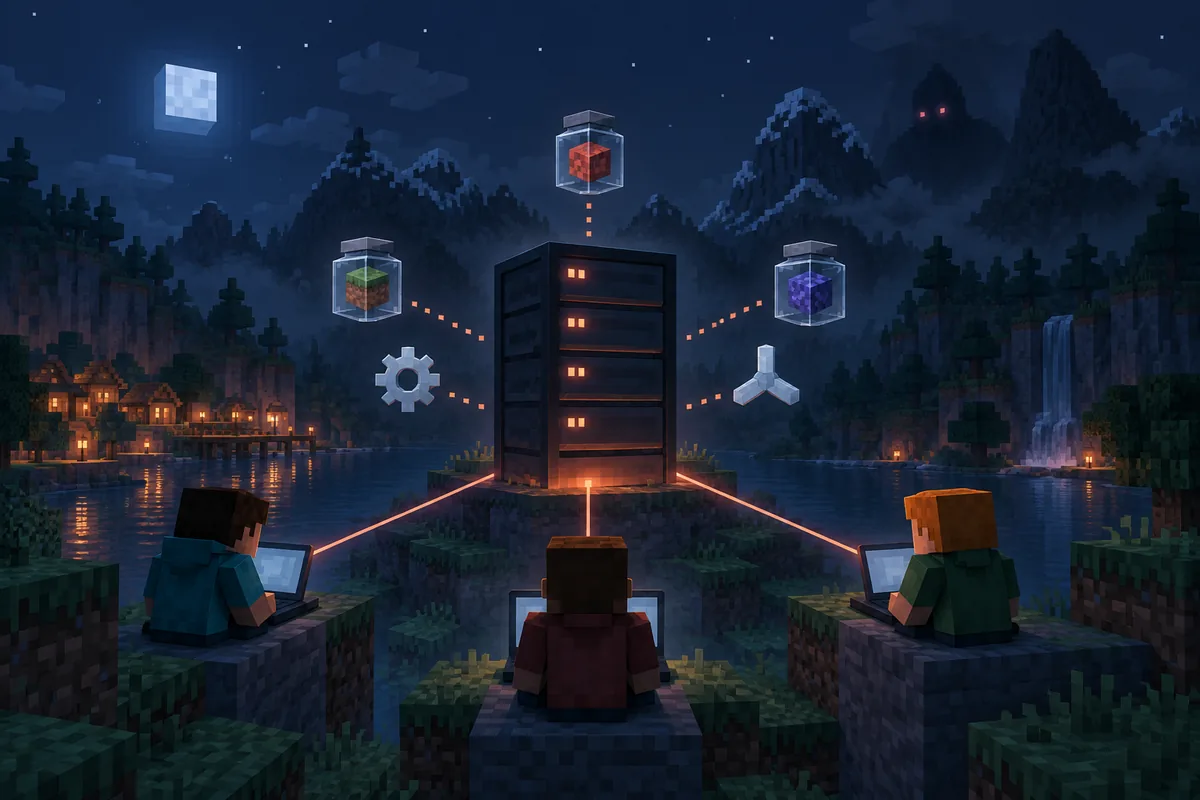
Do not reuse an old profile with unknown mods or stale configuration while you are identifying the multiplayer boundary.
Use the loader and Minecraft release named by the source page, not the newest nearby version by habit.
Keep server-required files on the server and give clients the same tested release and dependency set.
Check join, event synchronization, death/reconnect behavior, server restart, and log output.
Export or document the working set before the full group joins, and keep a rollback copy.
Group handoff
Most multiplayer failures are not mysterious incompatibilities. They are small differences that were never written down: one player uses a different Minecraft patch, the Bedrock host activates only one of two required packs, a Java server has a different loader build, or a player joins with a stale configuration. A written checklist makes the problem observable. Ask each player to confirm the same fields instead of asking everyone to redownload until something changes.
For a small friend group, save the checklist beside the source URL and the date checked. For a public or recorded session, also keep a private allowlist, a voice-consent decision, and a stop signal. The technical setup and the social setup are connected: a voice-reactive horror feature may require microphone permission, but no player should be pressured to enable it. If the source does not explain voice behavior clearly, use a non-voice test or leave that feature disabled.
Failure tree
When the world opens but Verity appears silent, start by classifying the symptom. “The host sees it but a friend does not” points to pack order, client compatibility, or a client/server boundary. “Nobody sees it” points to the wrong edition, inactive content, a version mismatch, an ungenerated configuration, or an event that requires a specific world condition. “The server will not start” points to loader, dependency, Java runtime, or incompatible file problems. Different symptoms need different checks.
On Bedrock, inspect the world settings and active pack lists first. Confirm that the behavior pack and resource pack are both active when required, that the world was created or opened with the documented experiments, and that the host is using the intended Verity source. On Java, compare the first useful client and server error lines, then compare mod IDs, loader versions, dependency files, and configuration. Do not solve a handshake error by adding a random mirror or by mixing files from two source pages.
If the mechanic works in a clean test but not in the main world, isolate conflicts one at a time. Remove unrelated addons or mods from a copy, reproduce the issue with two players, and record the first change that restores behavior. If the mechanic fails in a clean test, return to the version/source matrix. The existing Verity Mod Versions guide helps separate game version from file version, while the installation guide covers the edition-specific basics.
Confirm that everyone is using Bedrock content or Java content; do not compare a .mcaddon failure with a .jar failure as if they were the same setup.
Bedrock users inspect behavior/resource packs and experiments; Java users inspect loader, mods, dependencies, and configuration.
Compare the exact Minecraft release, loader line, Verity file name, and source page date for every participant.
Use one host or server and one joining player, then test spawn, event, reconnect, and restart before changing anything else.
Keep the failed profile, remove or update one component, and record the result so the repair is reversible.
Freshness gate
This site is a source-navigation and download-intent guide, so version freshness comes before a confident multiplayer recommendation. The table below records what was visible during the 2026-09-21 check. It is a dated snapshot, not a permanent “latest” promise. Reopen the project page before installing because CurseForge and Modrinth can change file lists, supported versions, and delivery flows after this page is published.
No stable, long-lived direct file URL was verified for this page. The CTAs therefore use official project or file pages as fallbacks rather than guessed CDN paths, expiring signatures, or mirror downloads. A project page can be slower than a direct button, but it preserves the creator, file history, release notes, and current compatibility context that a bare URL hides.
Use the project page when the group searched for Verity BE and wants its own Bedrock file history.
Open project pageUse the files page for the Bedrock Edition source trail and its release-specific package notes.
Open files pageUse the Java files page to confirm the stable or beta track before building a server profile.
Open Java filesUse the project metadata as a second Java compatibility check, not as a reason to mix editions.
Open ModrinthNext pages
Follow the full Bedrock import, pack activation, experiment, and device workflow after choosing the correct source.
Open Bedrock guideCheck Java availability, loader boundaries, version matching, and source-page fallbacks before building a server.
Open Java guideUse the edition-specific install basics, then return here for host, server, and player synchronization.
Open install guideUse the broader isolation workflow when a pack is silent, a client crashes, or a Java join fails.
Troubleshoot VerityCompare the wider multiplayer horror-mod and modpack landscape when Verity is not the group’s final choice.
Compare multiplayer modsFAQ
Yes, when the group uses the correct Bedrock or Java source and matches the required world packs, loader, Minecraft version, Verity release, and dependencies. Bedrock is host-world based; Java is server-profile based. Test with one joining player before moving to a main world.
Not completely. The import or installation step can look similar, but multiplayer adds host ownership, pack synchronization, permissions, server files, client matching, reconnect checks, and rollback planning. A singleplayer success does not prove that another player will see the same behavior.
You can when the selected VerityJE release, Forge or documented loader, Minecraft version, dependencies, and server requirements agree. The 2026-09-21 check recorded a verity-5.7.4.jar Forge 1.20.1 context and a separately listed 6.0.0-beta.9 context; do not mix those tracks.
Choose one edition, finish the Bedrock world or Java server profile, and then use LAN only as the connection method. LAN does not fix an inactive Bedrock pack, a wrong version, a missing Java dependency, or a client/server mismatch.
First classify the symptom: host-only behavior suggests pack or client synchronization, nobody seeing behavior suggests source/version/world-setting problems, and a server crash suggests loader or dependency problems. Compare the exact source, version, active content, and logs before changing one variable at a time.
Do not assume they can. Java .jar mods and Bedrock .mcaddon packs use different content and loader systems. Unless a specific project documents cross-edition support for the exact mechanic, choose one edition for the session instead of using a proxy as a compatibility shortcut.