1. Cave Dweller
Best starting point for the dweller category. Use the dedicated Cave Dweller guide when you need source notes, Java vs Bedrock context, and safe test-world steps.
Comparison guide
Minecraft dwellers are horror-style mods, add-ons, maps, or modpacks built around stalking entities, cave pressure, fog events, and sudden encounters. The best choice is not the loudest video clip; it is the dweller project that matches your edition, loader, Minecraft version, source page, and play style.
Use this guide as a source-check decision page before installing Cave Dweller, Cave Dweller Evolved, Cave Dweller Reimagined, From The Fog, Bedrock dwellers add-ons, or a multiplayer dweller modpack.
External source pages open directly. Check the file type, edition, and version before downloading.
Fast answer
Minecraft dwellers are a loose horror-mod category, not one single official mod. Players use the phrase for projects inspired by Cave Dweller, fog-stalking entities, underground monsters, Bedrock add-ons, and survival worlds where something appears to follow the player. That is why the search result can feel confusing: one page may be a CurseForge mod, another may be a Marketplace add-on, another may be a video, and another may be a repost with no file history.
The safest answer is to treat minecraft dwellers as a comparison intent. First decide whether you play Java or Bedrock. Then decide whether you want a single dweller mod, a larger horror modpack, a Marketplace-style add-on, or a lore guide. Finally, verify the source page, file type, Minecraft version, and test-world behavior before installing anything in a main save.
This page is deliberately different from the existing Cave Dweller Mod Minecraft guide. The Cave Dweller page focuses on one major project family. This guide compares the wider dweller category, including variants such as Cave Dweller Evolved, Cave Dweller Reimagined, fog/Herobrine-style projects, Bedrock dwellers add-ons, and multiplayer setups. That makes the topic useful without competing against the single-mod page.
SERP research for this workflow found that many current results are project pages, source listings, wiki/category pages, Marketplace pages, or videos. Those pages are useful for one file or one creator, but they rarely explain how to choose between Java, Bedrock, modpack, source trust, version support, and multiplayer risk in one place. The information gain here is the decision layer before the download click.
Decision table
A dweller mod can be scary and still be a poor fit for your setup. The comparison below separates intent before excitement. If the source page is strong but the loader is wrong, skip it. If the file looks exciting but has no version notes, treat it as a test-only experiment. If you are playing with friends, check client/server requirements before anyone downloads files.
Similarweb validation supports the cluster: the phrase-match tab for minecraft dwellers showed window volume around 2,570 with difficulty 29, while related terms included cave dweller evolved, cave dweller reimagined, cave dwellers, better cave dweller, and mods like cave dweller. Because most single-project terms already map to source pages or the existing Cave Dweller guide, the best new-page fit is this comparison guide.
Shortlist
This shortlist is not a direct-download ranking. Horror projects change quickly, files move, and creators may rename, pause, or archive a page. Use these picks as search and source-check paths, then let the source page decide whether the file is current enough for your Minecraft version.
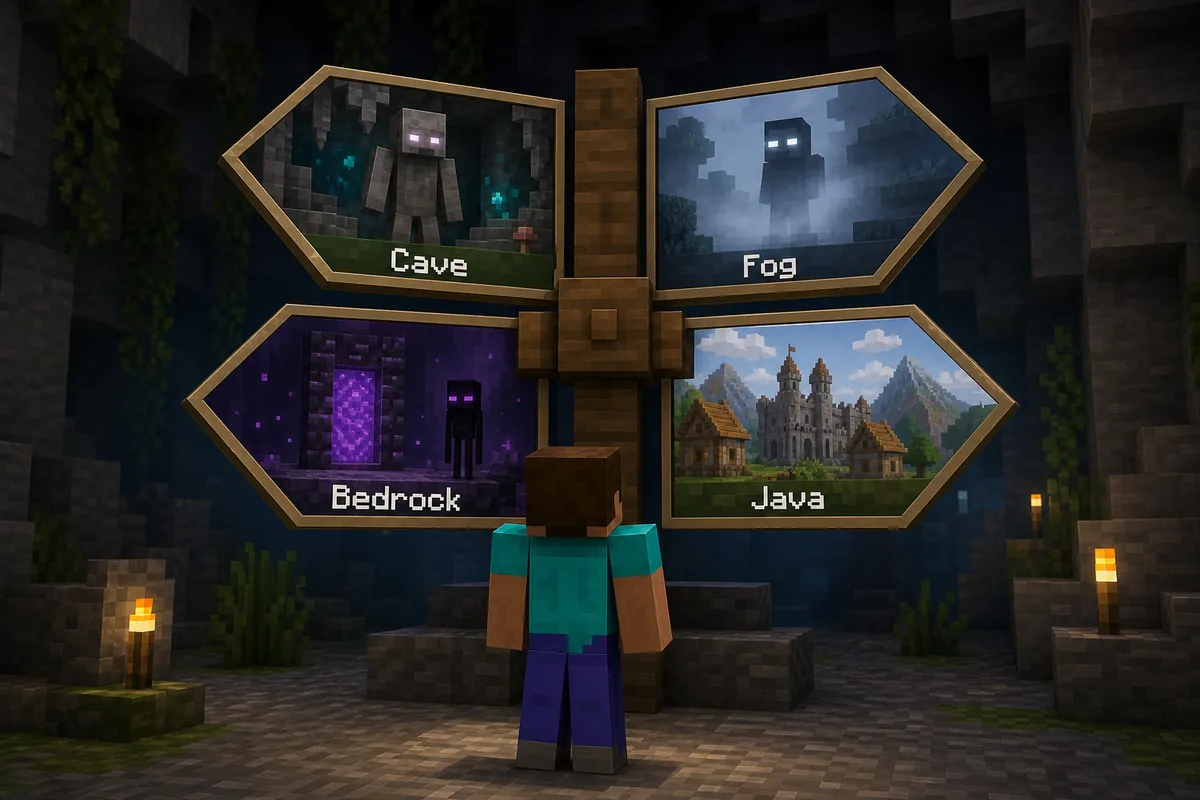
The first practical split is atmosphere. Cave-style dwellers usually create pressure while mining or exploring underground. Fog and Herobrine-style projects create sightings, events, and uncertainty above ground. Bedrock add-ons need careful pack activation. Modpacks are better for shared sessions but heavier to troubleshoot.
Best starting point for the dweller category. Use the dedicated Cave Dweller guide when you need source notes, Java vs Bedrock context, and safe test-world steps.
Best when you specifically searched for a variant name. Similarweb shows stronger current demand than many other variant terms, but the source page still controls whether the project is maintained.
Best for players comparing behavior changes, audio pressure, or a more polished scare pattern. Check dependencies and compatibility before mixing it with other entity mods.
Best for a Herobrine-style experience rather than a pure cave monster. The existing From The Fog Minecraft page explains mod/datapack choices and current source checks.
Best for players who want open-world pursuit and surprise appearances. Verify the exact source name because similarly named fog mods can lead to unrelated files.
Best for players on Bedrock who need add-on import instead of Java loaders. The key checks are file extension, resource and behavior pack activation, experimental toggles, and device performance.
Best when friends want a planned horror night. Treat them as heavier projects: compare server files, required client mods, voice features, difficulty scaling, and rollback options.
Edition match
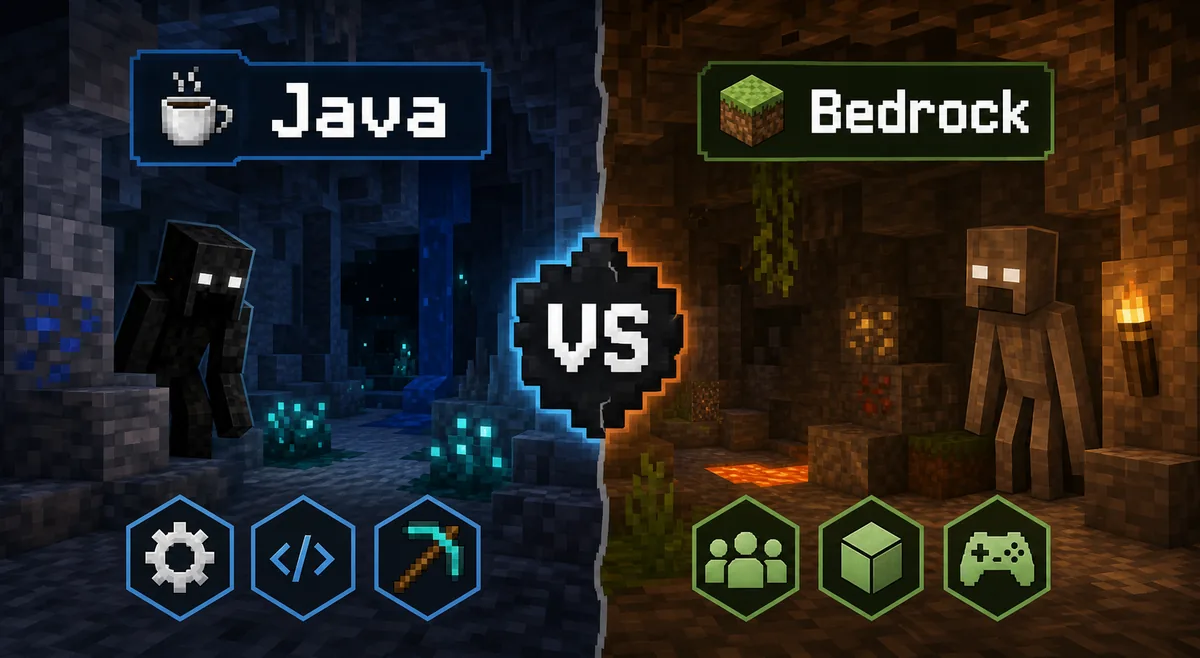
Java dwellers usually depend on a loader such as Forge, Fabric, NeoForge, or a specific modpack launcher profile. That gives Java players more mod variety, but it also creates more failure points. A Java dweller file can be completely legitimate and still crash if the Minecraft version, loader version, dependency, or Java runtime is wrong.
Bedrock dwellers add-ons are more likely to use .mcaddon or pack-style imports. Their common failure pattern is different: the file imports, but only the resource pack or only the behavior pack is active; experiments are missing; the world version does not match; or another add-on changes the same entities. Bedrock players should test in a copied world before assuming the add-on is broken.
Do not mix terms just because search results do. A Java .jar is not a Bedrock add-on. A Bedrock .mcaddon is not a Java mod. A Marketplace add-on may have a different install and licensing model from a community source page. Keeping these paths separate prevents the most common Minecraft dwellers install mistakes.
Safe source flow
A source page should answer five questions before you download: who published it, what file type it uses, which Minecraft version it supports, whether it needs dependencies or experiments, and whether recent comments or changelog notes contradict your setup. If those details are missing, the file may still be interesting, but it belongs in a disposable test environment rather than a main world.
Official or first-party source pages checked during research included CurseForge/Modrinth-style project pages, the Minecraft Marketplace listing pattern for Bedrock add-ons, and existing source pages already referenced on this site. They provide useful source identity and file-history context, but copying their screenshots as local article assets was not necessary for this comparison page. The images in this article are generated editorial explanations and are captioned as illustrations, not gameplay or official media.
Use recognized source hubs for discovery, such as CurseForge dweller search, Modrinth dweller search, and the Minecraft Marketplace for Bedrock add-ons. Treat third-party reposts, direct-file mirrors, and unclear installer bundles as risk signals, especially when they do not show creator context or version history.
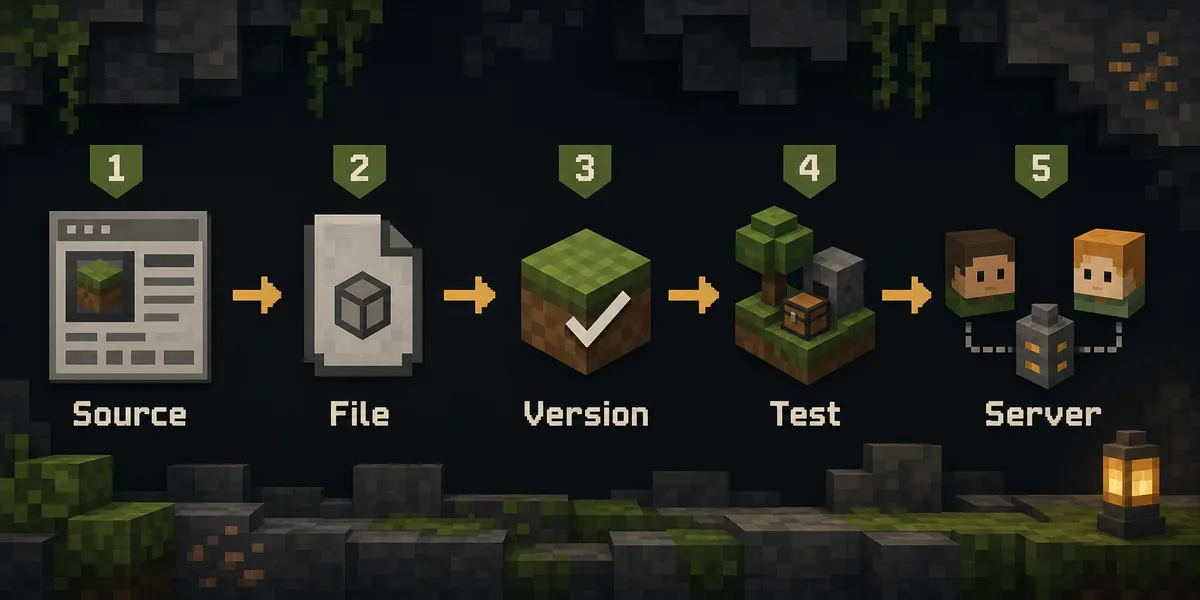
Use a recognized mod index, Marketplace listing, creator page, or project page instead of a direct mirror with no context.
Java usually needs a loader-compatible file or modpack profile. Bedrock usually needs an add-on import path such as .mcaddon.
A current source page is still wrong for you if it targets a different Minecraft release, loader, dependency, or Bedrock feature set.
Use a copied world, throwaway Bedrock world, or separate Java instance before opening a valuable save.
For servers, confirm which files every client needs, whether the server needs the same mod, and whether voice or privacy features are included.
Risk signals
Skip a Minecraft dwellers download when the page uses the right name but hides the file history. A weak page often has a big button, no creator identity, no supported version, no comments, and no explanation of Java or Bedrock. That is not enough evidence for a main survival world.
Also skip a file when the page asks you to install unrelated software, disable normal security tools, or click through popups that do not lead to a clear project page. Horror-mod searches attract fast reposts because players are excited by clips and want the file immediately. Slowing down for one source check is the difference between testing a mod and troubleshooting a mystery bundle.
Finally, avoid stacking many dweller entities at once unless you are deliberately building a modpack. Cave-stalker behavior, fog events, sound overhauls, spawn changes, and AI/entity scripts can overlap. If a world becomes unstable, remove additions one at a time and test again rather than replacing every file randomly.
Before play
Before you start a dweller world, write down the source URL, file name, visible version, Minecraft edition, Minecraft version, loader or add-on requirements, and test result. That tiny note makes troubleshooting practical. If the copied world works, your main world likely has a conflict. If the copied world fails, the source, version, or install path needs another look.
For solo play, the safest path is source page, matching file, test world, then main world. For multiplayer, add server requirements and client sync before anyone joins. For Bedrock, verify resource pack plus behavior pack activation. For Java, verify loader, dependency, and crash-log context. A Minecraft dwellers session is much more fun when the scare comes from the mod, not from broken setup.
Use the Cave Dweller page for source checks, Java/Bedrock notes, and install safety before exploring variants.
Open Cave Dweller guideCompare Verity, cave stalkers, Herobrine-style projects, Bedrock add-ons, and story/map horror options.
Compare horror modsCheck server-side requirements, client files, performance cost, and voice/privacy features before hosting.
Plan multiplayerNext pages
Start with the core dweller source-check and install guide.
Open Cave DwellerCompare fog and Herobrine-style horror with cave-stalker mods.
Open From The FogPlan a shared dweller or horror modpack session safely.
Open multiplayer guideUse source-page routing and copied-world checks for Verity.
Open Verity source hubFAQ
It usually means horror-style Minecraft projects built around stalking entities, cave monsters, fog appearances, or survival pressure. It is a category phrase, not one single official mod.
No. Cave Dweller is one major project family inside the wider Minecraft dwellers category. The broader category also includes variants, Bedrock add-ons, fog/Herobrine-style projects, and modpacks.
Use a recognized source page that shows creator context, file history, version support, file type, comments, and changelog notes. Then test in a copied world or separate Java instance before using a main save.
Some Bedrock add-ons use dweller-style horror ideas, but Java files do not work in Bedrock. Bedrock players need add-on-compatible files, resource and behavior pack activation, and version checks.
Sometimes. Multiplayer depends on whether the project supports servers, whether every client needs the same files, and whether the modpack changes voice, AI, spawn, or performance behavior.
Do not collapse Minecraft dwellers, Cave Dweller download, Verity download, From The Fog install, and multiplayer horror mods into one exact-match page. Each has a different search intent and should link to the most relevant guide.